Knowing how to resolve minor appliance problems is always useful. Diagnosing a range hood is not difficult. First, switch it off for a few minutes, then turn it back on. Listen for excessive noise. If the range hood is unusually loud, the fan or motor may be faulty.
If the sound seems normal, check the lighting next. Turn the lights on and off. Should the range hood fail to illuminate, replacing the bulbs or inspecting the wiring may be necessary.
Last, evaluate the range hood’s overall performance. Is it effectively removing odors and fumes? If smoke and gases remain even when the appliance is set to its highest speed, grease likely needs to be cleared from the system. (Further details are provided below.)
A familiar saying reminds us that prevention is better than cure, and the same idea holds true for appliances. Proper upkeep will keep your range hood operating correctly and looking new for years. To start, read the operation manual carefully. Having the range hood installed correctly is the first step in preventive maintenance.
Be sure to clean the vent, filters, and body on a regular basis, as explained below. When the range hood is not in use, switch it off to avoid placing unnecessary strain on the motor.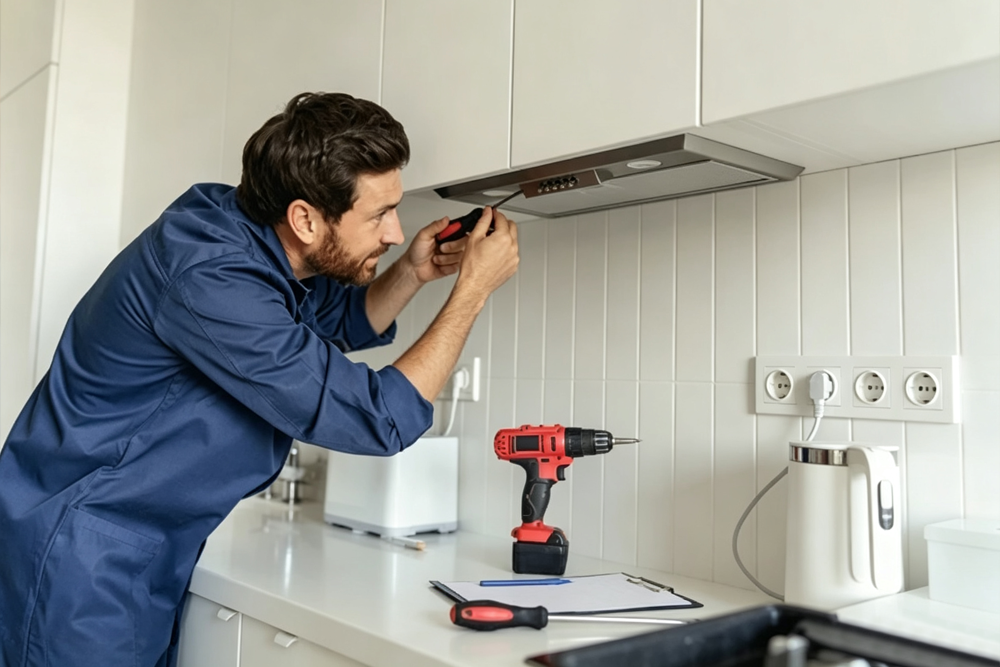
The method for cleaning your filters depends on which type you have. Some range hoods are equipped with filters that are safe to place in a dishwasher, so you can simply run them through a normal cycle and you are done.
If your metal filters are not dishwasher-safe, or if you want to give them a more thorough cleaning, place them in a water-safe container such as a large bowl. It may help to use a separate container for each filter so there is enough room to submerge them completely. Fill the container with hot water and a degreasing solution, such as a grease-cutting dish soap. For added cleaning power, you can also add ¼ cup of baking soda. Let the filters soak so the grease can dissolve; this may take some time. Use a scrub brush to gently remove any remaining grease. Once the grease is gone, rinse the filters thoroughly with warm water and dry them with a microfiber cloth. Make sure the filters are completely dry before putting them back into the range hood.
For charcoal filters, it is best to replace them rather than clean them. We recommend replacing them every two months or as soon as you notice they are losing effectiveness. A filter subscription plan can make it easy to keep your range hood running in top condition.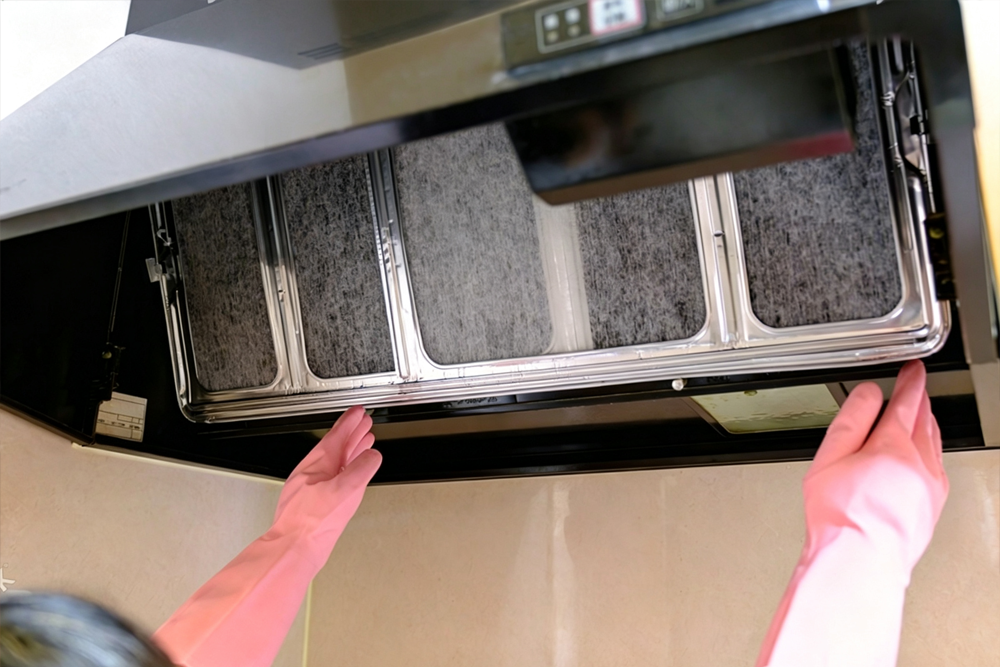
Before cleaning the body of the range hood, switch off both the range hood and the stovetop. Allow the stovetop to cool completely. Wipe the surface in the direction of the grain using a soft microfiber cloth and a non-abrasive household cleaner. Take care to keep cleaning solutions away from electrical components and light bulbs.
If the exterior is particularly dirty, a warm soapy solution and a soft sponge can be used. Avoid sponges with abrasive surfaces. Rinse the outside with clean water, then apply a stainless steel cleaner to polish the surface and help keep it looking bright.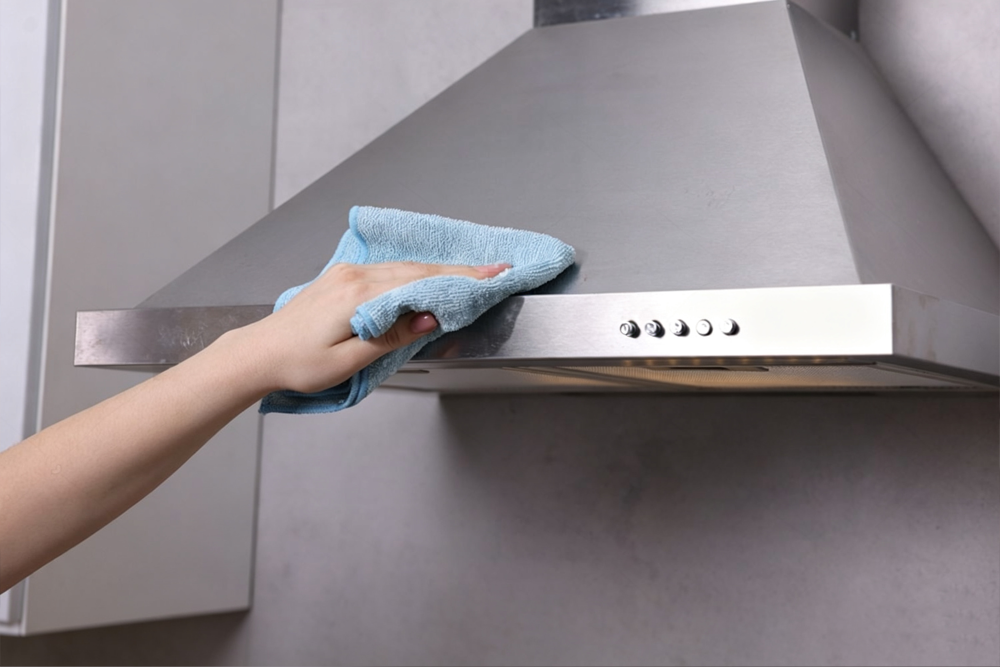
Grease can accumulate inside the vent, reducing performance and potentially creating a fire hazard. If the airflow from your range hood seems restricted, check the vent. Should grease be detected, it is important to have a professional remove it.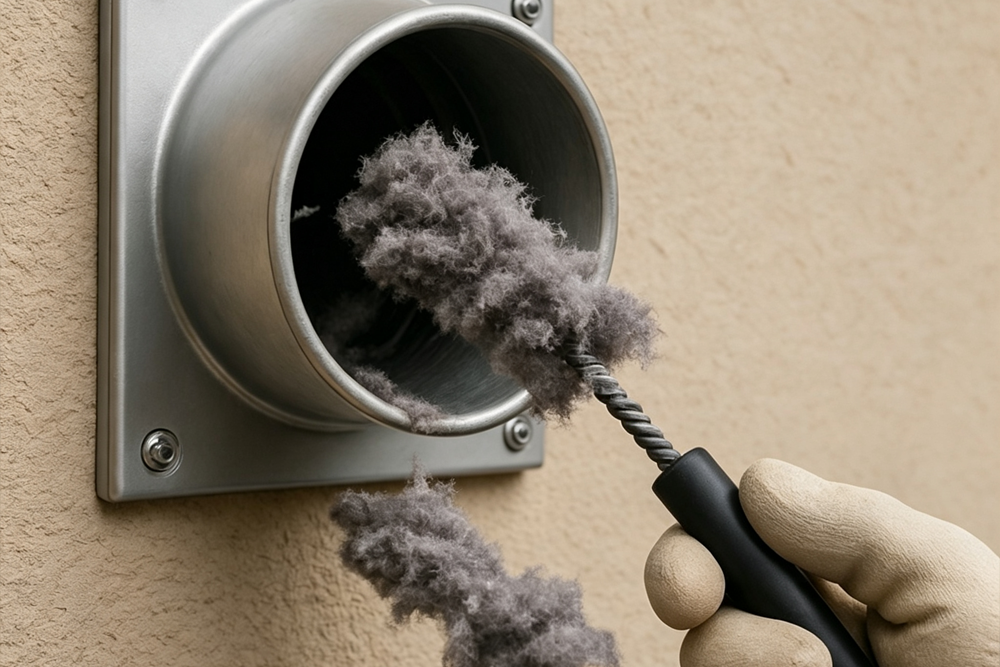
Grime, particles, and oily residue can accumulate on the fan blades, reducing the range hood’s efficiency and placing extra strain on the motor. Cleaning the fan regularly helps prevent the motor from overheating and failing. The following steps explain how to clean a hood fan.
Begin by switching off the range hood. Make sure the stovetop is also turned off and has cooled completely.
Use a solution of mild soap and warm water with a soft, non-abrasive cloth to wipe the fan blades.
Rinse completely using a clean cloth and water. Be careful to keep water away from electrical components, light bulbs, and the motor housing.
Gently clean the fans, rinse with clean water, and allow them to air-dry before use.
If manual cleaning is inconvenient, certain range hood models offer a self-cleaning feature. This function uses a steam-based process to remove accumulated grease, helping maintain smooth motor operation and preserve the appliance’s efficiency.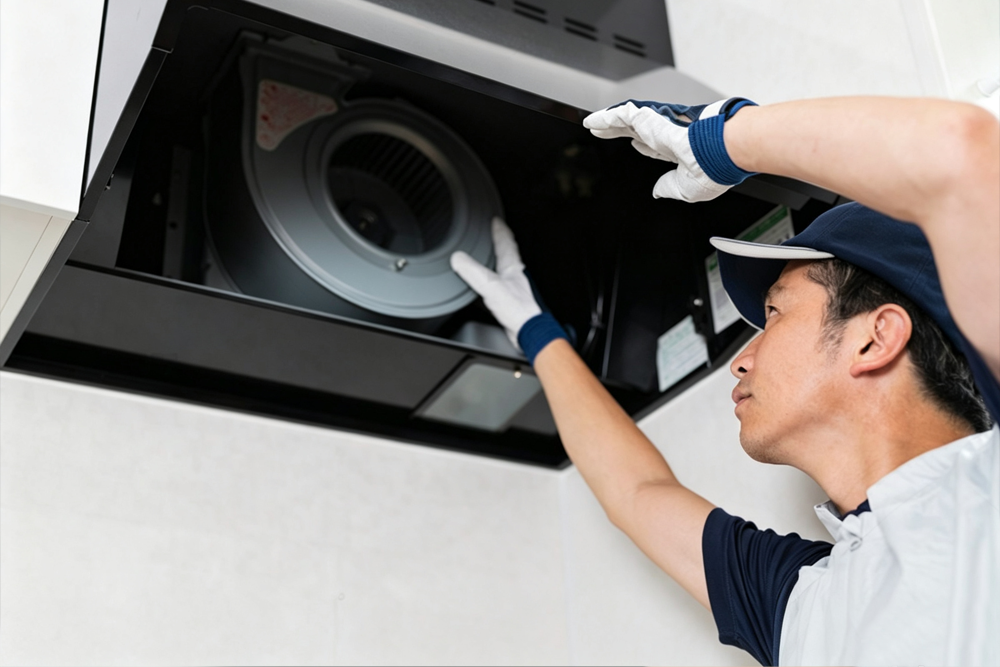
A range hood is a powerful appliance, but using the highest setting for every cooking task is unnecessary. Select the fan speed according to what you are preparing. For a small dish that generates little heat or smoke, the lowest setting is sufficient. Conversely, when stir‑frying, the highest setting works best to remove grease efficiently. Choosing the appropriate setting helps preserve the motor and maintain performance.
From clearing harmful cooking fumes to shielding cabinets from grease, a functioning range hood is essential in any home kitchen. Given how much work these appliances do, keeping them in good condition is surprisingly simple. A small amount of time spent on routine cleaning and maintenance will help ensure continued excellent performance, allowing you to enjoy a fresh cooking experience day after day. Stay tuned for more tips and tricks.
elecontro®'s range hood controller not only improves your cooking comfort but also maintains the pristine kitchen environment through detailed control of air flow and extraction rate. With more feature settings tailored to your cooking habits, you'll experience unparalleled performance and longer service life from your range hood.