Handling large bed sheets in the washing machine can be frustrating—they often twist into a heavy, tangled ball that’s hard to separate and slow to dry. The good news? Tangling is largely preventable by how you load the machine. With a few simple adjustments to loading, cycle settings, and using accessories like mesh bags, you can keep sheets tangle‑free and make laundry day much easier.
Handling large, awkward bed sheets can be difficult, whether you are folding them or putting them through a wash cycle. At times, they seem to turn into a heavy, twisted ball of wet fabric inside the washing machine. Separating a tangled fitted sheet from a flat sheet can take both time and physical effort. If you move them into the dryer hoping the machine will undo the mess, it will not, and the drying process will take much longer. When sheets tangle during washing, detergent may not rinse out properly, potentially leaving residue behind. Fortunately, there is a simple method to stop sheets from tangling in the washing machine, and it comes down to how you load them. The following approach will help keep your sheets tangle‑free, so you can transfer them to the dryer without a struggle.
What Leads to Sheets Becoming Tangled
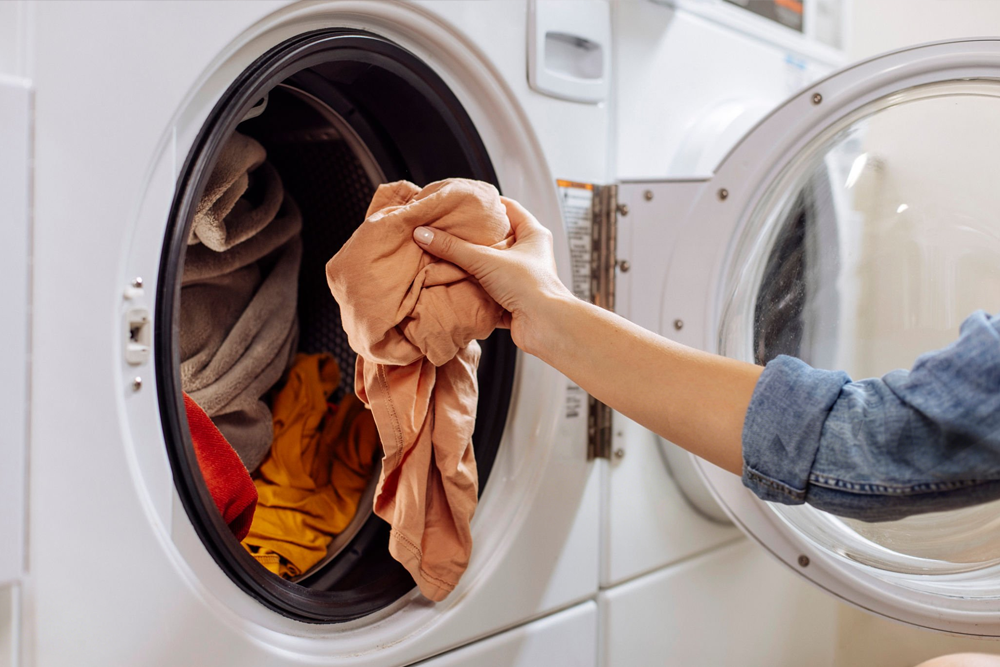
The manner in which you place sheets into the washing machine largely determines whether they will end up knotted after the cycle. Washing several sheet sets at the same time might seem efficient, but overfilling the drum can cause them to clump together. Because sheets are wide and long, they tend to wrap around each other as the machine agitates. How you load them directly affects how easily you can take them out afterward.
How to Prevent Sheets from Tangling During the Wash Cycle
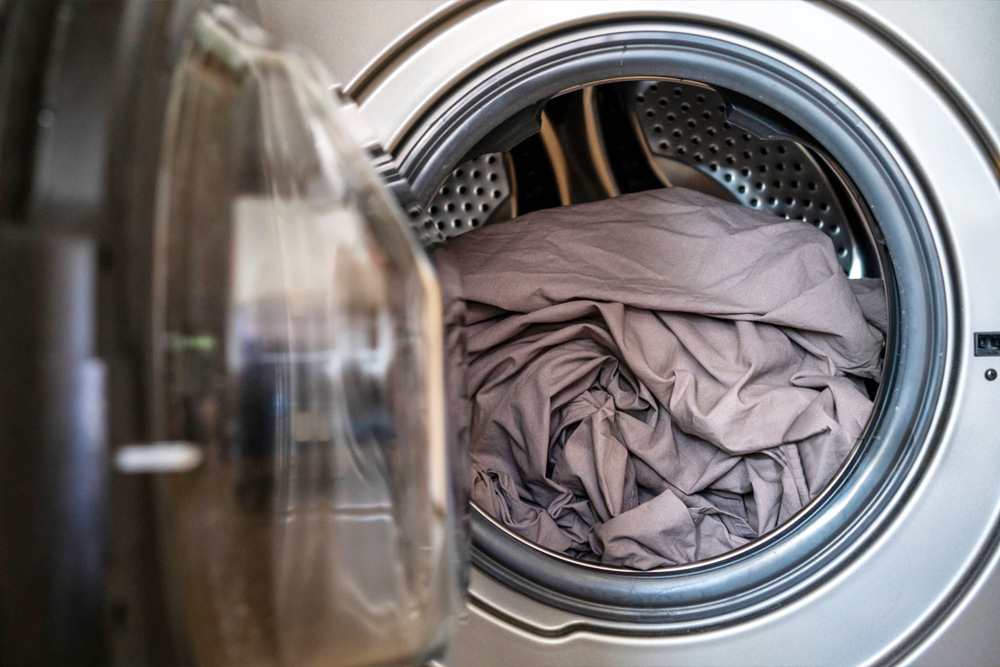
To stop sheets from twisting and tangling in the washing machine, begin by separating each piece. Lift every sheet individually and give it a light shake before placing it into the machine. The essential principle is to provide enough space for the sheets to move around freely. The correct loading method depends on the type of washing machine you own, and certain cycle settings can also help reduce tangling.
Machine Type
For a top‑load washing machine, add the sheets one at a time, forming a loose pile, and distribute them evenly around the agitator or impeller. Avoid wrapping sheets around the agitator, and do not dump the entire pile in at once or stuff tightly balled sheets into the drum.
For a front‑load washing machine, place the sheets in separately in a loose heap. To ensure adequate room for movement, you should be able to reach your hand to the bottom of the drum.
Wash Cycle Settings
Some washing machines offer a “bulky” cycle or a setting specifically designed for sheets. This type of cycle uses more water and tumbles the fabric gently, helping to prevent twisting. A higher water level also allows sheets to move without becoming too bunched, while a lower spin speed can reduce the likelihood of tangling.
Keep Loads Light
Sheets are large on their own. Avoid adding towels, clothing, or other items that could make the load heavier or become tangled with the sheets. Washing sheets separately gives them ample room to move freely throughout the entire cycle.
Laundry Accessories
If tangled sheets are a recurring issue, try placing the fitted sheet inside a large mesh laundry bag. This helps keep pillowcases from getting caught in the corners and prevents the sheet from rolling into a tight, burrito‑like shape. Special clips that attach to the corners of sheets are also available on the market, confirming that this is a common laundry challenge.

How to Avoid Tangling in the Dryer
Preventing tangling inside the dryer is equally important, as tangled sheets take longer to dry. When transferring wet sheets from the washing machine to the dryer, make sure they are not compressed into a tight ball. Separate each sheet, give it a gentle shake to remove any knots, and place them into the dryer individually rather than as one large heap. Using dryer balls, clean tennis balls, or even an extra clean towel can help promote free movement and improve air circulation during the drying cycle.
Choose reliable washing machine controllers at elecontro®
With more than twenty years of expertise in home appliance control, elecontro® is a professional manufacturer of washing machine controls that perfectly meet your individual requirements and preferences. elecontro®'s dynamic team of visionary engineers and designers continue to push the boundaries of home appliance control technology, ensuring we remain at the forefront of innovation.