One reliable way to check for overheating is to use an oven‑safe manual thermometer. Place it in the centre of the middle rack, then heat the oven to a set temperature. Once the oven signals that it has reached that temperature, take out the thermometer. If the reading on the manual thermometer exceeds the temperature you selected, your oven is likely running too hot. Common warning signs that may appear before you run this test include food that becomes excessively browned, dry, crumbly, tough, or even smoky during normal cooking.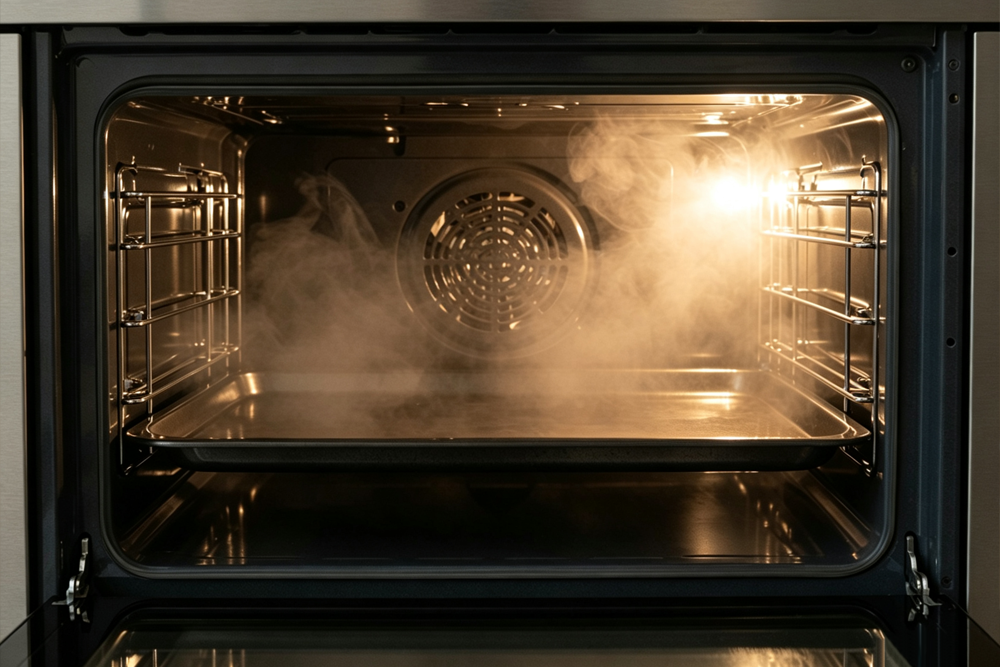
1. Malfunctioning Thermostat
The thermostat works alongside the temperature sensor to turn the heating elements on and off, ensuring the oven reaches and maintains your selected temperature. If the thermostat is broken, it may fail to communicate properly with the sensor, causing the oven to overheat. Should you suspect a faulty thermostat, professional diagnosis is recommended.
2. Thermostat Dial Issues
On some models, a single dial is used to manually set the cooking temperature. If this dial is cracked, chipped, or otherwise damaged, it may no longer reflect the correct setting. Inspect the dial for visible wear, and consult your user manual if a replacement part is needed.
3. Cooling Fan Problems
The cooling fan helps prevent the control panel and internal components from becoming too hot. Not every oven includes this feature, but those that do may run the fan at varying speeds depending on the cycle and temperature, and it often continues to operate until the oven cools to a certain point. If the fan is obstructed by grease or food debris, or simply worn out, it can contribute to overheating. Because accessing the fan usually requires removing the rear panel, it is safer to have a professional inspect and service it.
4. Faulty Temperature Sensor
This small, thin probe, typically mounted at the rear of the oven cavity, reads the internal temperature and cooperates with other parts to maintain consistent heat. For accurate readings, the sensor should be positioned at a 90‑degree angle. A visual check can reveal whether it has become bent, dislodged, or damaged—any of which may produce incorrect readings and lead to excessive heat.
5. Damaged Heating Element
Heating elements located at the top, bottom, or back of the oven can cause overheating if they are loose, broken, or coated with grease or food residue. You can inspect these elements for signs of deterioration, but always disconnect the oven from the mains power before doing so.
6. Obstructed Oven Vent
The vent plays a key role in regulating internal temperatures by releasing hot air from the cavity while drawing cooler air in from below. If the vent becomes blocked, hot air cannot escape, which may cause the oven to overheat. Regular cleaning and maintaining a gap of a few inches between bakeware and the oven walls will help keep the vent clear.
7. Recalibration Needed
Calibrating an oven means adjusting its temperature settings to match actual performance. This may be necessary if the oven is older or has recently been moved. If a manual oven thermometer gives a reading that differs from the temperature you set, recalibration is likely required to restore accuracy.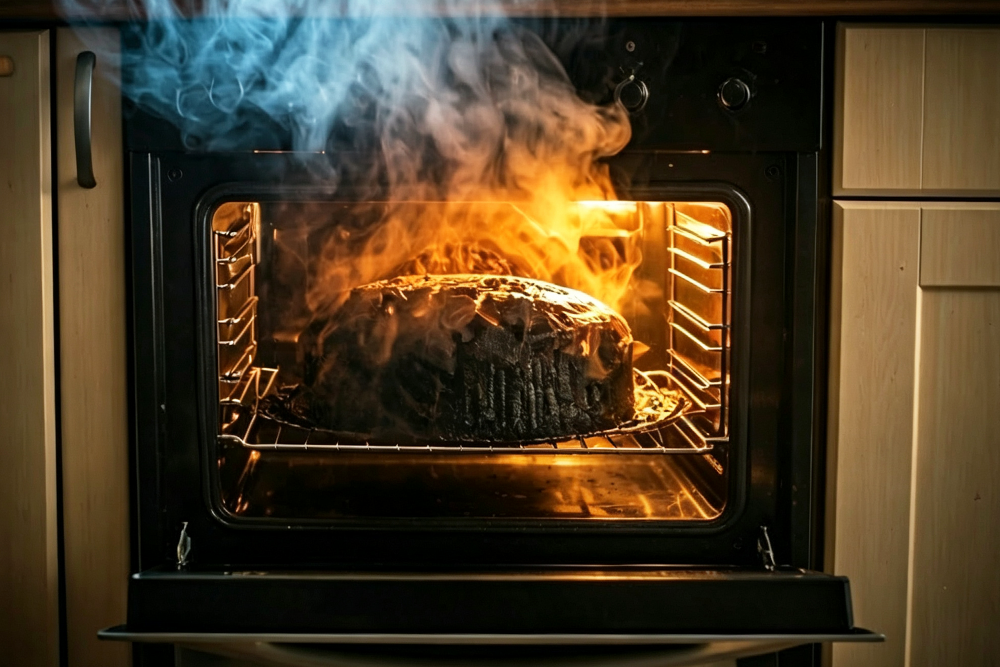
It’s normal for the cooktop, oven door, oven window and areas around the oven vent openings to get warm or hot to the touch during operation. You may notice these surfaces are warmer when the oven is set to higher temperatures or running for an extended period of time. Be sure to use oven mitts when handling hot oven elements.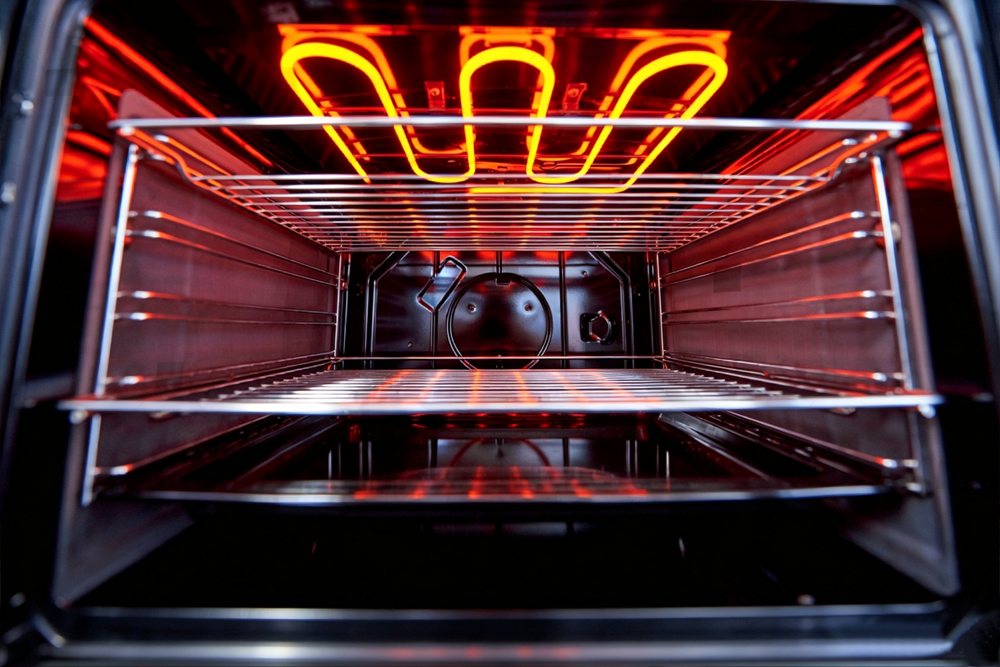
Before assuming a major fault, it is wise to eliminate the more straightforward possibilities first. Check that you are following the recipe's guidelines and the manufacturer's instructions regarding the type of bakeware, the number of pans on the rack, the spacing between them, and the correct positioning of the oven racks. These factors alone can sometimes cause temperature imbalances that mimic overheating.
Once those basics have been ruled out, you can move on to investigating deeper mechanical issues. If you are uncertain about the next steps and your oven is of a particular make, it may be best to contact a professional repair service for your appliance rather than attempting further diagnosis yourself.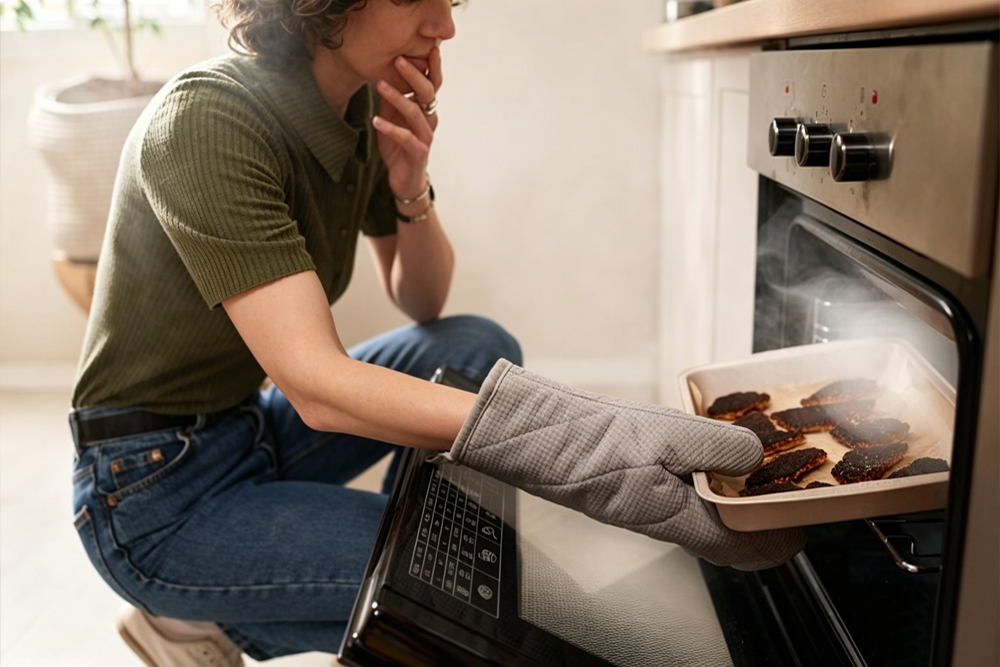
Begin the troubleshooting process by thoroughly cleaning the interior of your electric oven. Grease and food debris can accumulate on essential parts such as the thermostat sensor, cooling fan, heating elements, and vent, which may impair their performance and cause the oven to overheat. Removing this buildup often restores normal operation.
If the oven continues to overheat after cleaning, examine the remaining components—the cooling fan, temperature control knob, and sensor—for any visible damage. Should you be uncertain about the diagnosis, it is wise to seek assistance from a qualified technician for a professional evaluation.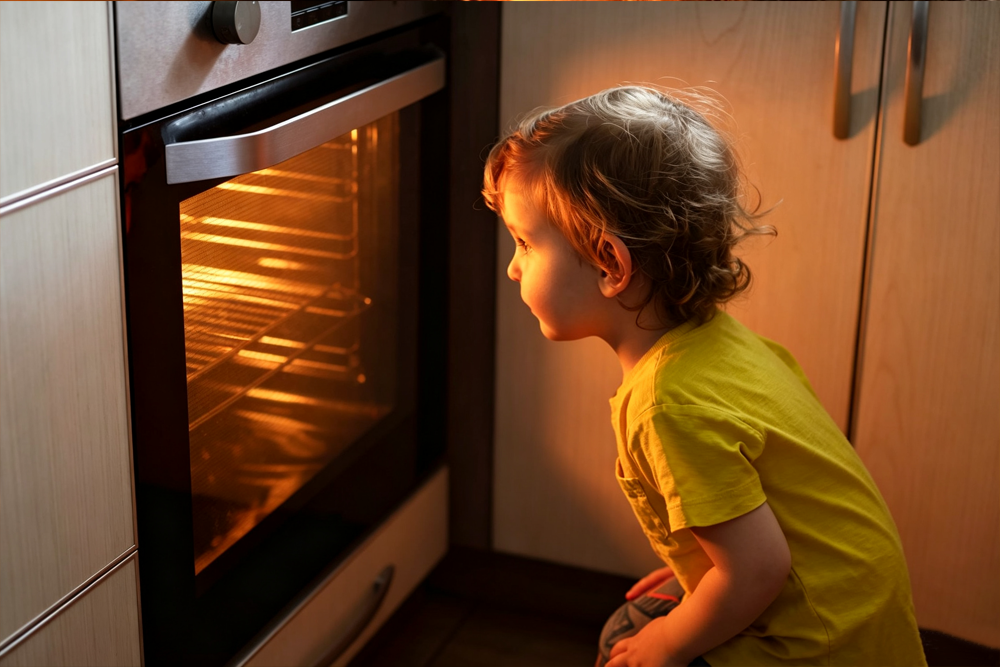
Before calling a professional, start by making sure all gas valves are fully open. If the oven still runs too hot, the supply line may not be delivering the correct amount of gas—an issue specific to gas models, although many other overheating causes are shared with electric ovens. For a thorough diagnosis, it is best to have a certified technician examine the gas lines and confirm whether that is the root of the problem.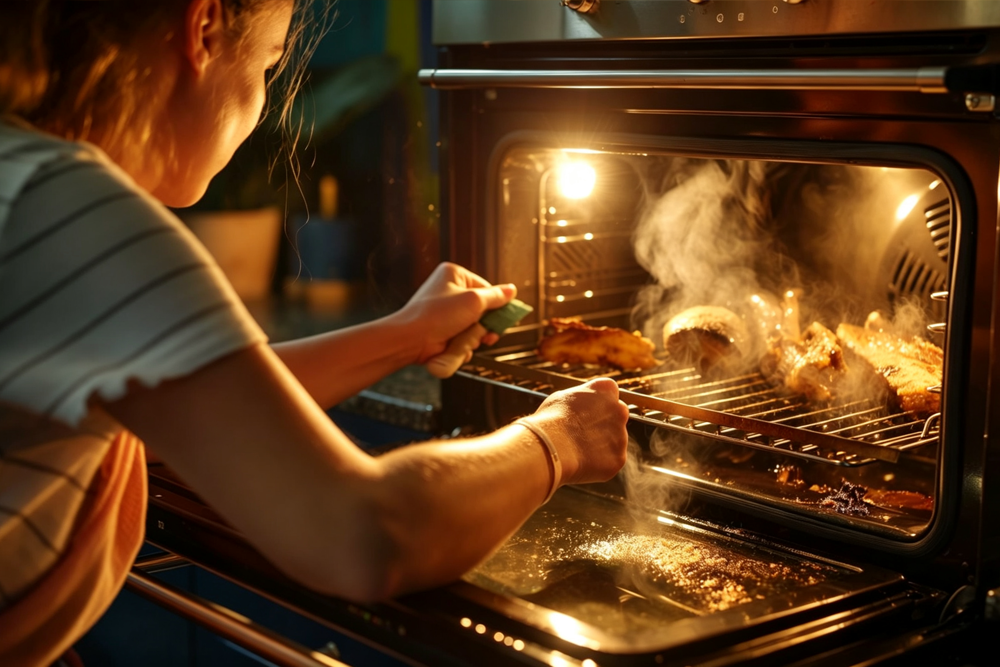
If your oven continues to overheat even after recalibration, the thermostat may be the underlying issue. To confirm this, begin by placing a manual oven thermometer inside the preheated oven and comparing its reading to the temperature you set. If the difference exceeds 15 degrees, recalibration is recommended—consult your owner’s manual for the correct procedure. Should recalibration fail to correct the overheating, the thermostat is likely defective and will probably need to be replaced.
If your oven's temperature reading differs from the set temperature by more than 15 degrees, recalibration is needed. The method for resetting the thermostat depends on your oven type. For electric ovens with digital controls, the calibration settings are usually accessible through on‑screen menu prompts. Electric models with analogue dials, on the other hand, require manual adjustment of the screws located at the back of the temperature knob. Gas ovens without digital controls involve a more complex recalibration process, which is generally best left to a trained professional.
While your user manual will provide model‑specific instructions, the general guidelines above can help you understand what to expect. If you own a gas oven or feel unsure about performing the adjustments yourself, seeking professional help is the safest course of action.
elecontro® has specialized in kitchen appliance control for over 20 years, offering a range of functional oven timers and customizing them to suit your specific needs and preferences. Our team of innovative engineers and designers remains at the cutting edge of kitchen appliance control technology.