The encouraging part is that you do not always need a steam oven or a dedicated steam function on your range to begin learning how to steam in an oven. Typically, a steam oven—or an oven equipped with a specific steam cycle—pulls water from a small tank into a boiler that heats it to about 212°F, then directs the vapor into the cooking cavity, enveloping the food with moist heat. This method employs heated water vapor rather than dry air to prepare food. A steam oven, or an oven with a dedicated steam cycle, is designed to use hot steam instead of hot air for cooking. Continue reading for useful suggestions.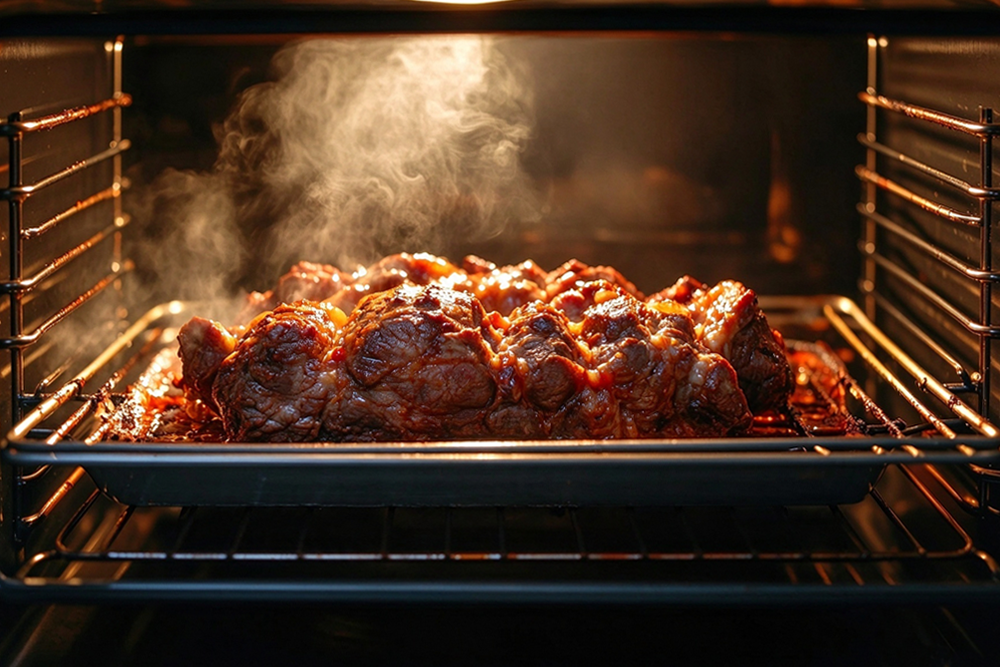
Even if your oven does not include a dedicated steam function, you can still steam many types of food in it. Do not let the absence of a specific steam setting discourage you. If you do not own a steam oven, simply try the steps below to steam food in your oven.
1. Put the food into an oven-safe dish or pan. The container may have a water reservoir underneath, or you can add water or broth directly into the dish with the food.
2. Pour in the water or broth in the amount specified by your recipe.
3. Seal the container tightly. Aluminum foil is often effective, and an oven-safe Dutch oven with a snug-fitting lid can also be useful for steam roasting and similar methods.
4. Cook according to the time indicated in your recipe.
5. Carefully remove the foil or lid, taking care to avoid escaping steam, and check whether the food is fully cooked.
Another approach that works for certain recipes is to place a separate pan of water on a lower oven rack. This releases steam while foods such as crusty bread or cheesecake bake.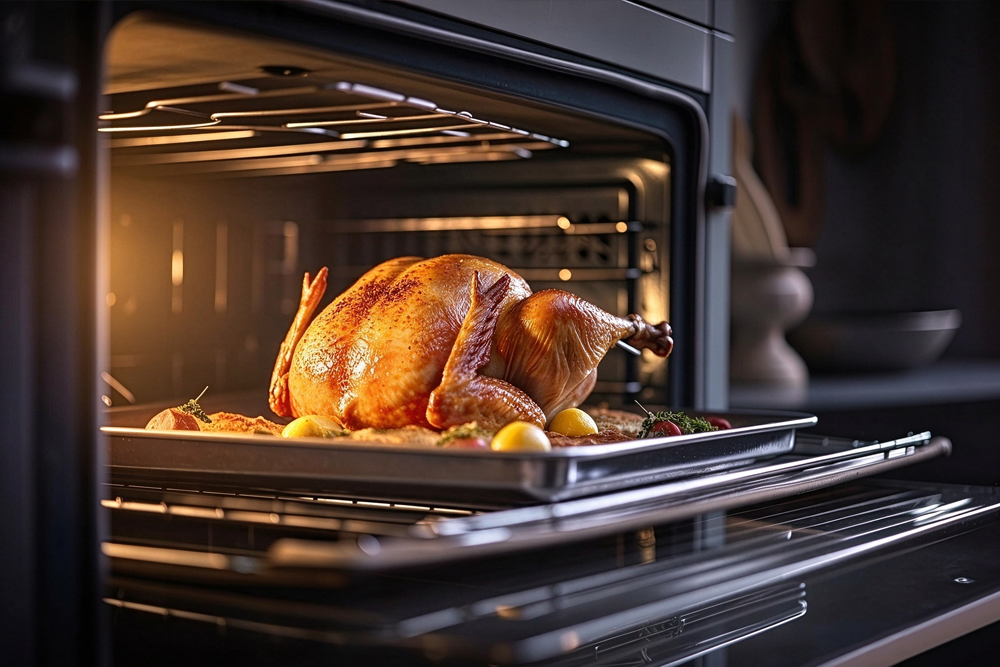
Steam is a method of heat transfer that cooks food gently and gradually, helping keep the surface of the food from drying out. Unlike boiling, where nutrients and flavor can dissolve into the cooking water, steam cooking helps food retain more of its natural taste and nutritional value because the food is not submerged. Because steaming relies on heated water vapor rather than liquid submersion, it can help preserve the nutritional content of the dish.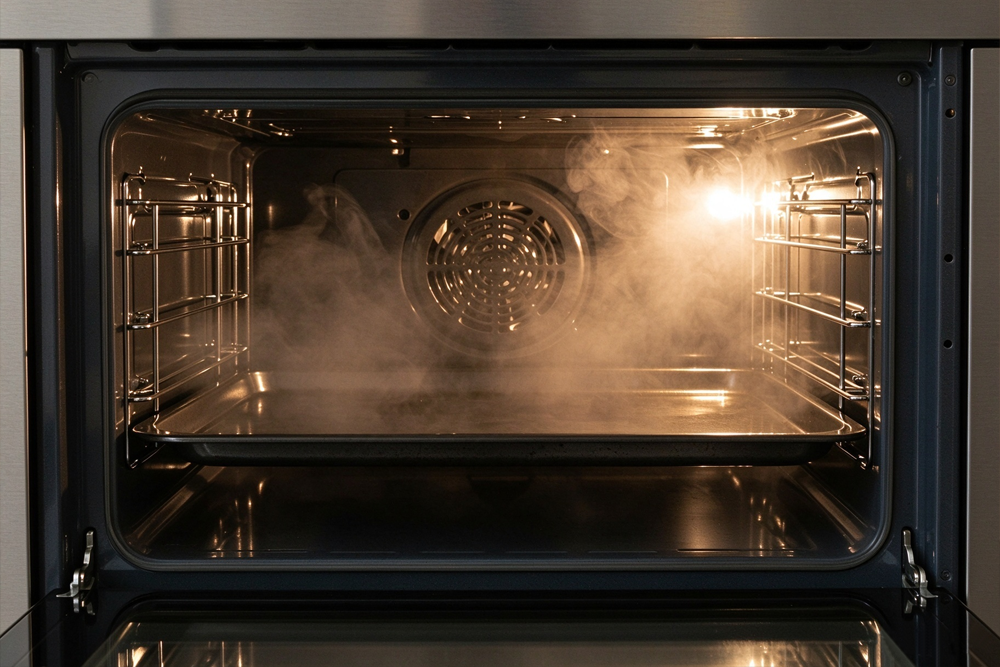
Steam and convection heat can be combined in a convection oven, where both hot air and steam are used to cook food. This approach brings together the browning produced by convection with the moisture that steaming provides. To move warm air through the oven cavity, a convection oven uses a fan—and on some models, an additional rear element—which helps distribute heat evenly across multiple racks while also encouraging browning and crisping.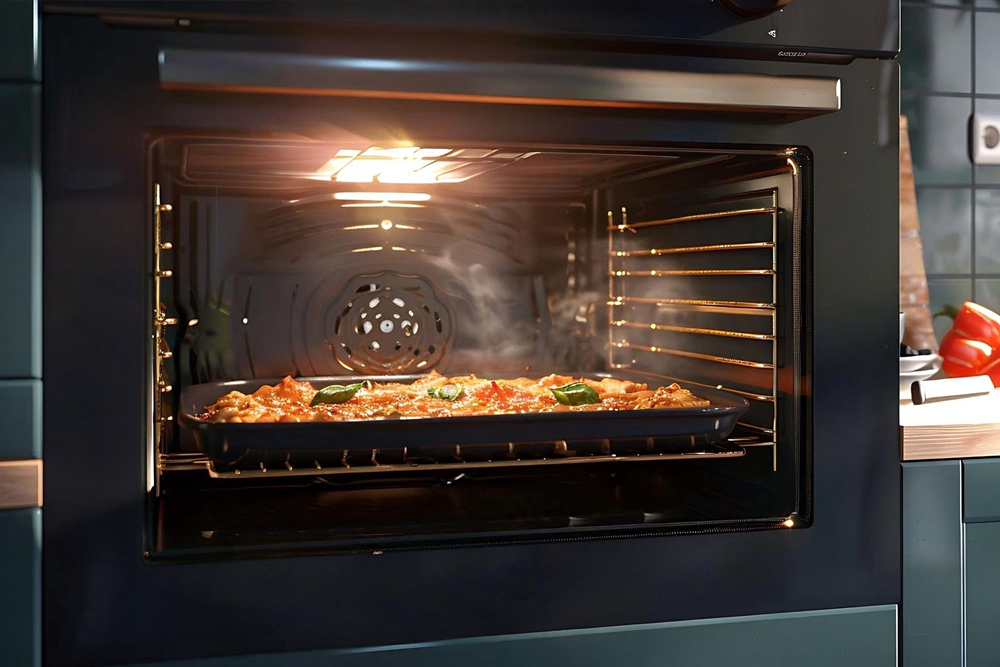
Using steam in an oven is a straightforward method that pairs convenience with nutrition. Instead of depending on dry heat alone, this approach uses moisture and can improve both the flavor and the overall quality of certain meals. The benefits below explain why many households are trying steam alongside more traditional cooking methods such as roasting and baking.
1. May help preserve certain nutrients
Steaming can reduce nutrient loss because food is cooked above water rather than being submerged, so water-soluble vitamins are less likely to leach out. Vitamins such as C and B, which are often lost during boiling, tend to be better retained when foods are steamed. Results may vary depending on the food, nutrient, cooking time, temperature, and amount of water exposure.
2. Often requires little to no added oil
For many families, steam cooking is a relatively healthy option because it generally calls for minimal oil. Since ingredients are usually placed above water and not fully immersed, nutrient loss from leaching is limited. The moist environment also helps prevent drying and sticking, so oil often becomes optional and is used mainly for flavor rather than as a necessity.
3. Helps retain moisture and texture
A humid oven cavity can slow surface drying more effectively than ordinary dry oven air. Because steam cooking relies on water vapor rather than submerging ingredients, nutrients, flavor, and texture tend to hold up well compared with boiling or frying. Vegetables can remain crisp-tender, and proteins can stay juicy. Steaming also supports a gentler, slower cooking pace that helps keep natural fats inside meat from melting away too quickly.
4. Can reheat leftovers without drying them out
Reheating leftovers with steam in an oven is a popular choice because they can sometimes keep more of their original moisture and flavor than they would after being reheated another way. Steam can warm food gently and thoroughly while retaining natural moisture in juicy proteins such as chicken breasts or pork chops.
5. Can cook some foods effectively at lower temperatures
Steam transfers heat to food readily at about the boiling point of water, which is roughly 212°F. This helps many foods cook through at lower oven temperatures without drying out.
Within an oven, households can use steam to prepare vegetables, poultry, fish, grains, and even certain breads or desserts by applying techniques such as covering dishes with foil, using an oven-safe Dutch oven-type container with a snug lid, or setting a separate pan of water in the oven during cooking. The following eight items are worth experimenting with when using steam. For precise instructions, including timing, always refer to your recipe.
1. Eggs
The gentle nature of steam helps proteins cook while preserving their moisture and texture, and this benefit also applies to eggs. Shell eggs, along with dishes like frittatas and egg bakes, can frequently be made using steam, with the desired level of doneness being the primary factor to consider. Steam allows eggs to set softly without overcooking, which is especially useful for delicate egg preparations.
2. Vegetables
Vegetables pair especially well with steam cooking. This method tends to preserve vivid colors and a crisp or tender-crisp texture, keeping many vegetables attractive and appetizing. Steaming vegetables can also help retain their nutrients, which is one reason households often choose it when preparing produce. Leafy greens, cruciferous options such as broccoli and cauliflower, and root vegetables like carrots can all be steamed in an oven. Density influences cooking time: heavier, denser vegetables usually require longer to become tender, whereas delicate greens cook more quickly.
3. Rice, grains and legumes
Rice and grains can likewise be cooked with steam in an oven by placing them in an oven-safe dish with water and a snug lid or foil cover. Rice, quinoa, and already cooked beans can all be prepared this way, with the liquid-to-grain ratio being the key factor to watch. Check your recipe for accuracy. The humid environment gently cooks many grains, producing fluffy and well-hydrated results.
4. Fish and seafood
When delicate fish is seared over high heat, it can quickly shift from raw to overcooked. Steam, by contrast, provides a gentler pace, giving cooks more leeway and helping prevent the natural fats in the fillet from melting out too rapidly. Steaming also helps fish stay moist during cooking. Thickness is the primary timing factor—thicker fillets typically require more time, while thin fillets and shrimp usually cook faster.
5. Poultry
For juicy proteins such as chicken breasts, steam cooking can help preserve natural moisture. Chicken breasts, thighs, and whole birds can all be prepared with steam, with portion size being the main factor affecting timing.
6. Bread and rolls
Steam in an oven is also valuable for certain breads and pastries during baking, since it contributes to the desired crust while helping the interior remain soft and airy. Introducing steam during the first few minutes of baking some breads can support oven spring and produce a shiny crust.
7. Custards, cheesecakes and pastries
Steam can also assist with certain desserts, especially delicate items like custards or cheesecakes that benefit from gentle, moist heat. Some custards, cheesecakes, and pastries respond well to the mild warmth steam provides, making steam in an oven a useful approach for households that enjoy making desserts.
8. Leftovers and reheated foods
Reheating leftovers with steam in an oven is a common choice because it can help preserve some of their original moisture and flavor. Using low steam to reheat pizza, rice, roasted meats, and baked goods may help restore moisture without overcooking.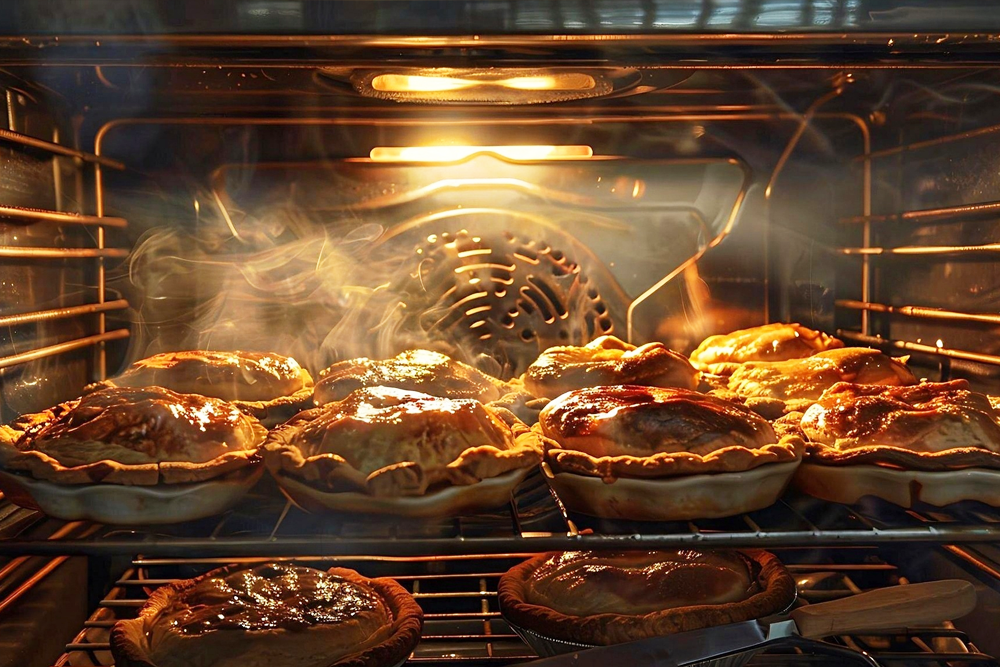
Whether using steam in your oven is worthwhile for your household depends on your preferences. Not every oven offers a dedicated steam function, yet depending on the setup, steam can often be used to prepare many foods, including certain vegetables, fish, poultry, rice, grains, or even desserts.
Steam cooking may appeal to you if you:
· Prepare vegetables, fish, and grains often and want to help preserve moisture and nutrients.
· Bake regularly and are curious about using steam in ovens for certain breads, pastries, and desserts.
· Frequently reheat leftovers and prefer to avoid dry textures.
· Are comparing cooking methods and want to evaluate the advantages and disadvantages of steam in ovens.
elecontro® has specialized in kitchen appliance control for over 20 years, offering a range of functional oven timers and customizing them to suit your specific needs and preferences. Our team of innovative engineers and designers remains at the cutting edge of kitchen appliance control technology.