To ensure a smoother installation process, it is advisable to position your range, wall oven, or cooktop close to a suitable electrical outlet or gas connection in the kitchen. Proximity to the appropriate utility source helps facilitate the setup of your appliance and reduces the need for extended wiring or piping.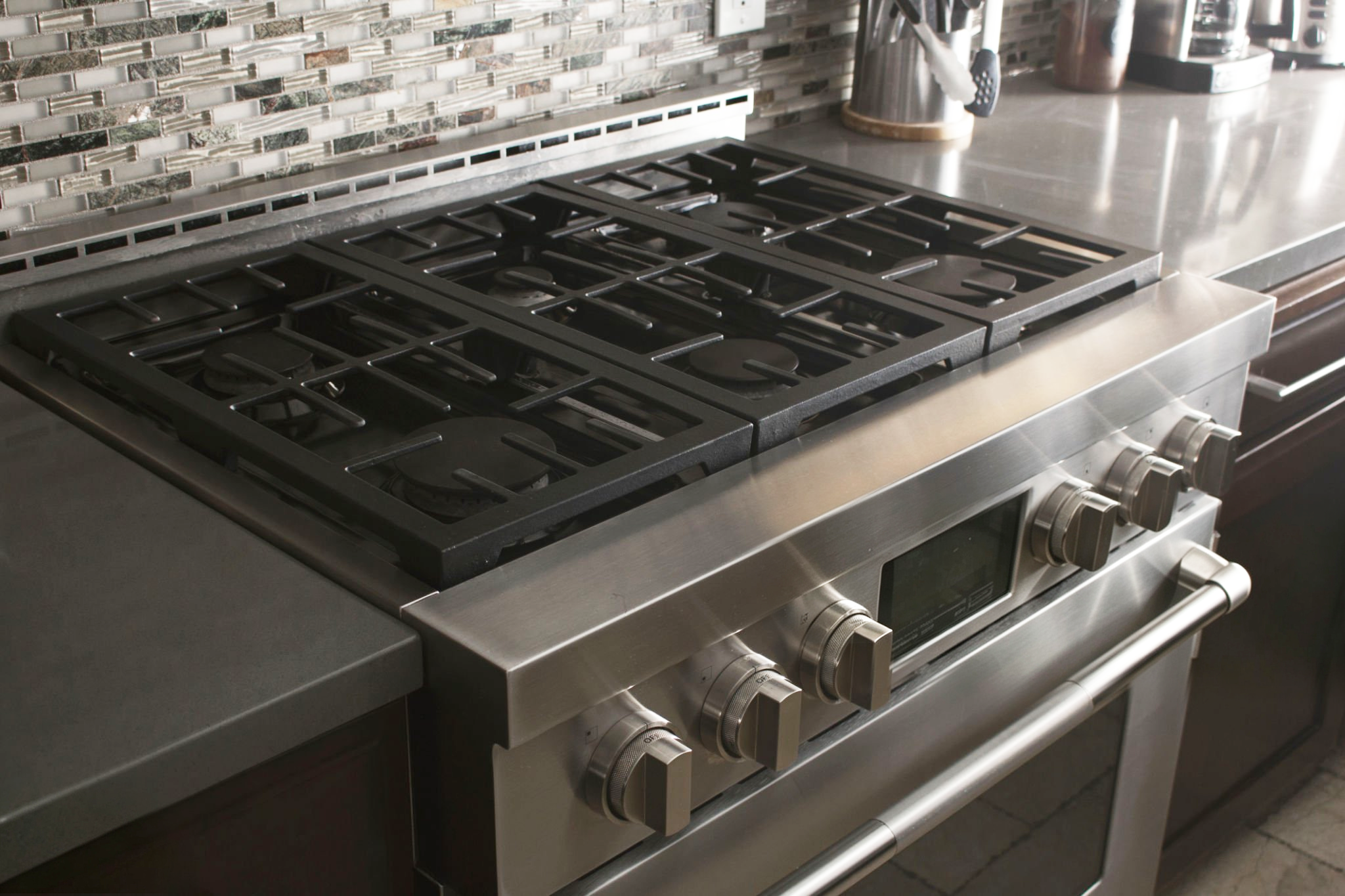
It is advisable to position your oven close to a countertop surface. This provides a convenient spot for setting down baking dishes when you are placing food into or removing it from the oven. Such proximity is particularly valuable when handling heavier cookware, for instance, when basting a large roast. Additionally, having cabinets or drawers in the vicinity allows for easy storage of oven‑related items such as mitts and baking trays.
The overall dimensions and arrangement of your kitchen often guide the choice of stove, wall oven, or cooktop that will best fit the available area. In a compact kitchen where space is at a premium, a wall oven may be a suitable option depending on your specific layout. In contrast, a larger kitchen typically affords more freedom in selecting the type of oven that suits your cooking needs.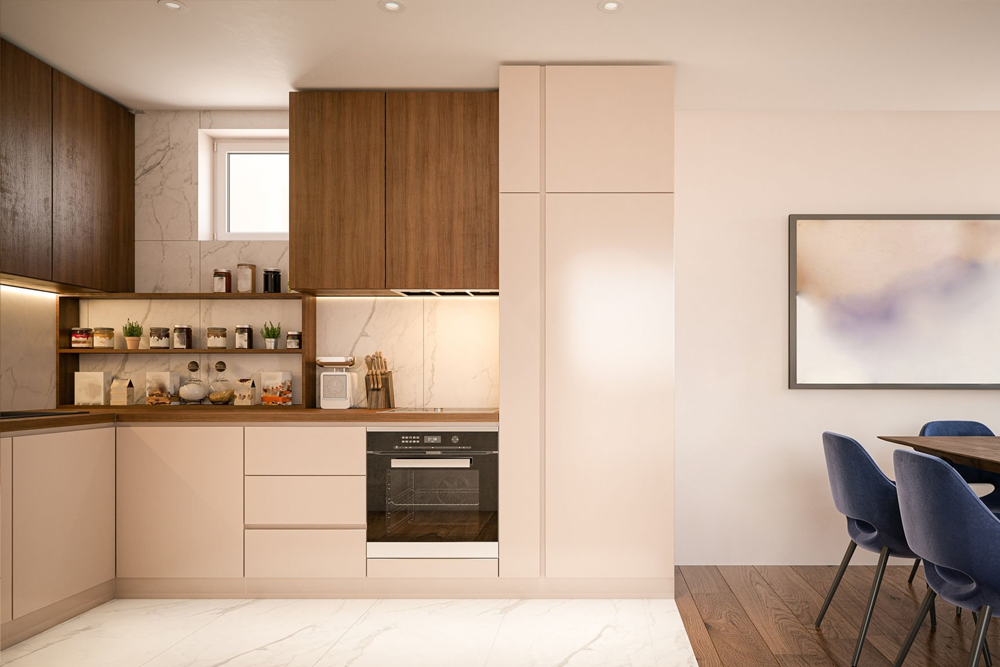
To create an efficient cooking environment, consider positioning your stove (or wall oven and cooktop) in a triangular layout with the refrigerator near the kitchen entrance, the sink placed between the refrigerator and the stove, and the stove located opposite the sink and refrigerator. This classic triangular configuration helps streamline movement and reduces unnecessary steps during meal preparation. For optimal function, the total distance around the triangle typically falls between 13 and 26 feet, with each leg of the triangle measuring roughly 4 to 9 feet apart.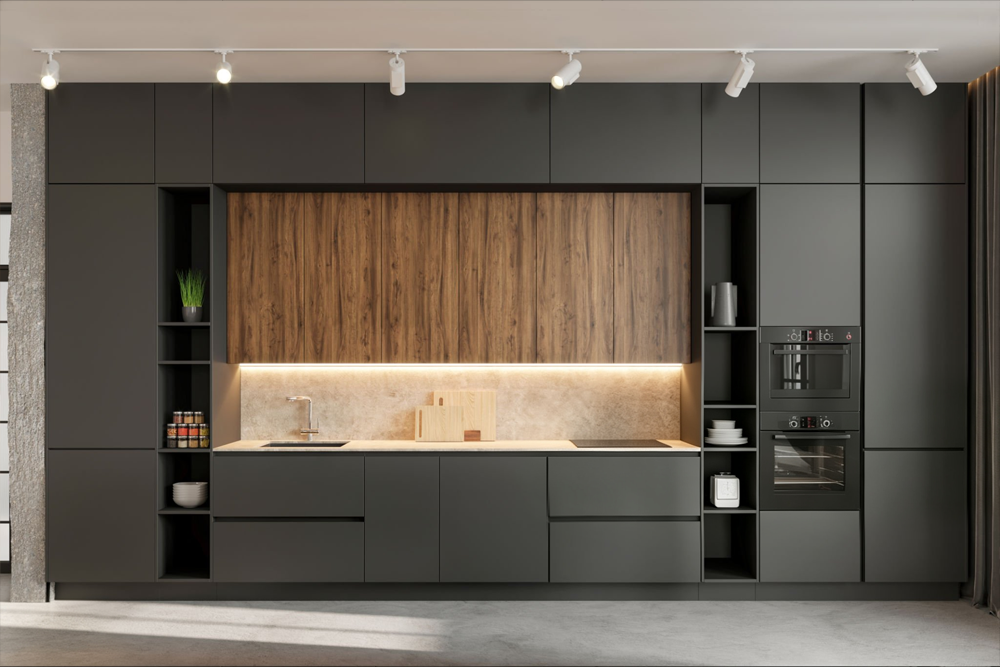
To allow for easy movement in the kitchen, it is advisable to position your stove away from high‑traffic areas. A clearance of at least 40 inches in front of the oven is recommended, along with 48 to 60 inches of space between the stove and surrounding appliances. This ensures that the oven door can open fully and that there is sufficient room to move around, which is especially important if your kitchen includes an island.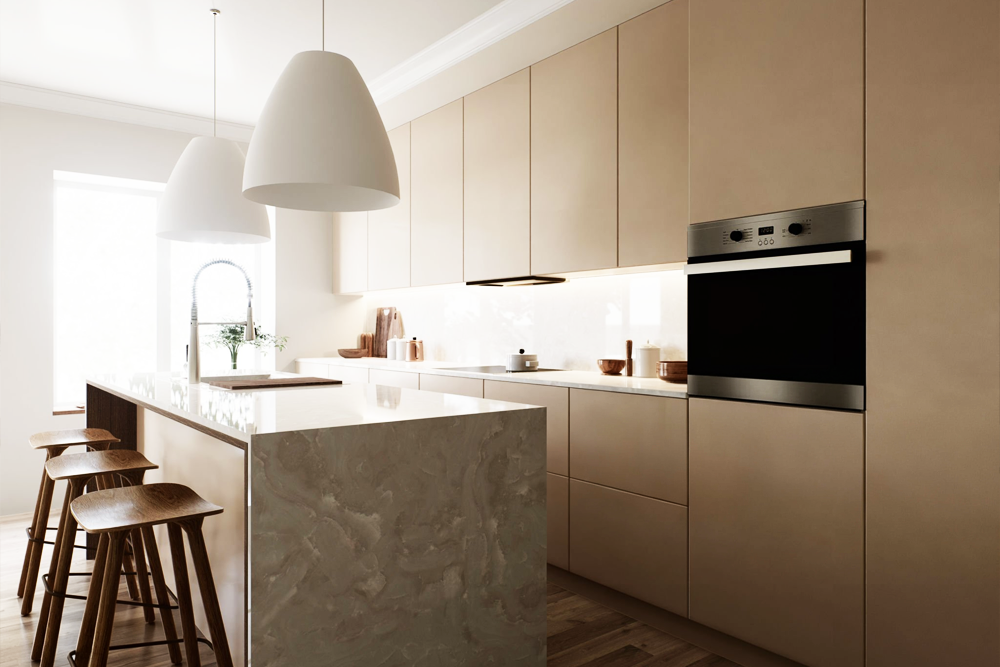
Proper air circulation is an important factor when deciding where to position your oven. This involves planning for the installation of a ventilation hood above the cooktop. A range hood helps extract cooking odors, smoke, and airborne grease that are generated during common cooking methods such as frying, boiling, and simmering. Ensuring adequate ventilation is therefore essential for maintaining good air quality in the kitchen.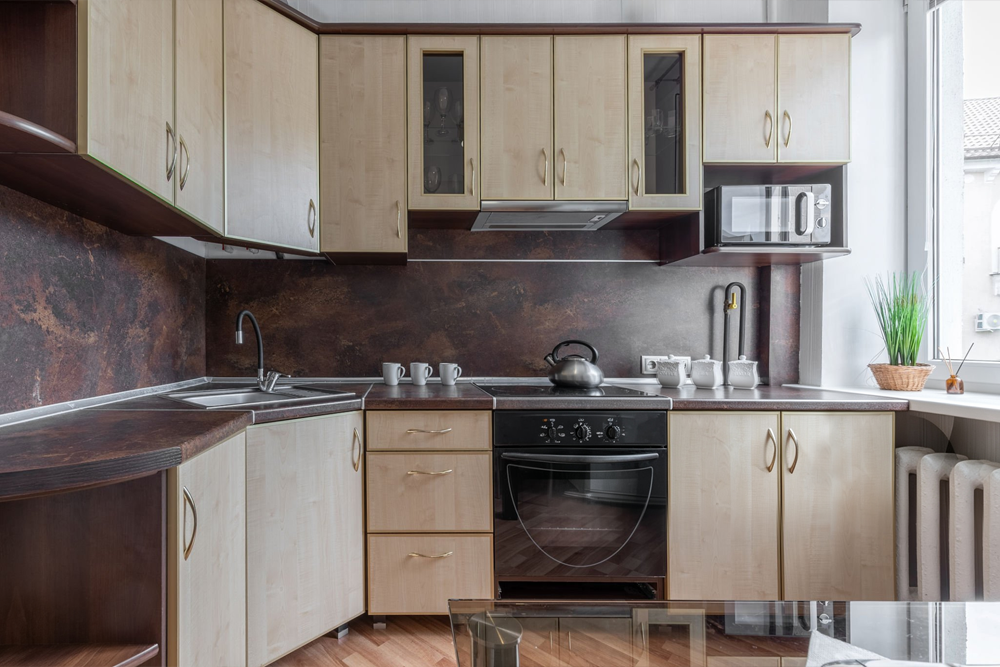
For ease of use, it is helpful to position your range or wall oven within comfortable reach. Installing a wall oven at waist height can reduce the need for bending, while placing the control panel at eye level allows for convenient monitoring of cooking progress. In addition, some models are available with features that comply with accessibility standards, offering options designed to accommodate a wide range of user needs.
An oven is one of the most prominent fixtures in a kitchen, so its position can significantly influence the room’s overall appearance and aesthetic character. When deciding on a location, look for a spot that complements the existing kitchen design—whether the oven serves as a central design feature or is subtly incorporated into the surrounding cabinetry. Careful placement helps maintain visual harmony while ensuring the appliance remains a natural part of the space.
elecontro® has specialized in kitchen appliance control for over 20 years, offering a range of functional oven timers and customizing them to suit your specific needs and preferences. Our team of innovative engineers and designers remains at the cutting edge of kitchen appliance control technology.